Spotify Insights
Over 5.5M+ followers on spotify, Popular for east coast hip hop, hardcore hip hop music genre.
Biography & Early Life
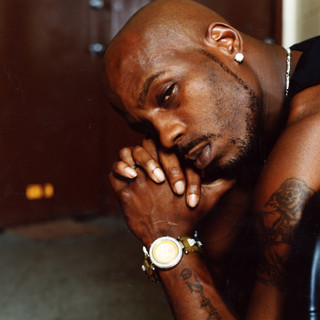
Earl Simmons, known professionally as DMX, was born on December 18, 1970, in Mount Vernon, New York, and raised in Yonkers. His early life was marred by hardship, facing a turbulent household and early encounters with the law. But it was these struggles that fueled his fiery passion for telling his story through music. Raised among the gritty streets of Yonkers, DMX's childhood was fraught with challenges, including abuse and abandonment. Despite these obstacles, music became his sanctuary. As a teenager, he was heavily influenced by the burgeoning hip-hop scene of the late '80s and early '90s, particularly drawn to the gritty, raw lyricism that artists like Rakim and LL Cool J embodied. DMX found his escape in beatboxing and breakdancing, which eventually led him to start writing his rhymes. His journey into music began with his performances at local clubs and streets, where his unique voice and intense delivery quickly caught attention.
Musical Career & Evolution
DMX's official entry into the music scene began in the late '90s when he signed with Ruff Ryders and Def Jam Recordings. His debut album, 'It's Dark and Hell Is Hot,' released in 1998, debuted at number one on the Billboard 200 chart, marking the arrival of a raw and untamed new voice in hip hop. The album's success was propelled by his gritty vocals and authentic portrayals of street life. Throughout his career, DMX became known for his intense delivery and the raw energy he brought to his performances. His follow-up albums, 'Flesh of My Flesh, Blood of My Blood' and '...And Then There Was X,' further solidified his place in hip hop, both albums debuting at number one. Over the years, DMX's style evolved yet remained grounded in the themes of struggle, redemption, and perseverance, reflecting his personal journey and influencing a generation of artists.
Discography & Albums
DMX's discography is a testament to his prolific career, encompassing multiple studio albums that have achieved significant commercial success. His debut, 'It's Dark and Hell Is Hot' (1998), set a robust standard for subsequent releases. Following its success, DMX released 'Flesh of My Flesh, Blood of My Blood' (1998), '...And Then There Was X' (1999), 'The Great Depression' (2001), and 'Grand Champ' (2003), among others. Each album echoes his visceral lyrical depth and stark narratives. Other noteworthy projects include 'Year of the Dog... Again' (2006) and 'Undisputed' (2012), reflecting his persistence in the industry. His posthumous album, 'Exodus' (2021), served as a poignant reminder of his enduring impact. The intensity and emotional honesty embedded in DMX's work have cemented his status as a hip-hop heavyweight.
DMX's hit songs have left an indelible mark on the hip-hop landscape. Tracks like 'Ruff Ryders' Anthem,' 'Party Up (Up In Here),' and 'X Gon' Give It to Ya' are considered timeless anthems that have consistently charted high and received massive radio play. 'Ruff Ryders' Anthem' reached the top ten on multiple charts, while 'Party Up (Up In Here)' became a staple in both clubs and mainstream media, showing DMX's ability to transcend the traditional boundaries of hip-hop. 'X Gon' Give It to Ya' achieved massive success years after its original release, climbing charts following its inclusion in movie soundtracks and viral internet trends. Across streaming platforms, DMX's music continues to thrive, with millions of plays and downloads, showcasing the artist's enduring appeal and ability to connect with audiences worldwide.
Collaborations & Featured Works
DMX's collaborations with other artists have significantly contributed to his legacy in the industry. He is well-known for his work with Jay-Z, most notably on the 'Hard Knock Life Tour,' which cemented their status as two of the era's most powerful forces in hip-hop. His collaboration with rapper Nas on 'Life Is What You Make It' showcased his versatility and ability to mesh his style with other artists. DMX also joined forces with icons like LL Cool J and Method Man on the track '4, 3, 2, 1.' His contributions extended beyond rapping, featuring in tracks like 'Touch It (Remix)' by Busta Rhymes. These guest appearances on projects by chart-topping artists emphasize DMX’s adaptability and his affinity for blending his gritty edge into various sonic landscapes.
Streaming Stats & Popularity
DMX remains a staple on streaming platforms, even years after his passing. On Spotify, he garners over 10 million monthly listeners, indicating his music's lasting appeal. Popular tracks such as 'Ruff Ryders' Anthem' and 'Party Up (Up In Here)' continuously amass millions of plays, a testament to their timeless nature. On YouTube, music videos for his hit singles frequently surpass tens of millions of views, maintaining high engagement rates. Apple Music charts frequently feature his tracks, underscoring his enduring presence in the digital music ecosystem. His collective streaming numbers reflect a resurgence in interest in his back catalog, reaffirming DMX's significant influence and the consistent demand for his authentic, energetic style.
Awards, Nominations & Recognition
DMX's accolades reflect his profound impact on the music industry. During his career, he earned three Grammy nominations, including Best Rap Solo Performance for 'Party Up (Up In Here).' His influence extended beyond awards, as seen through music certifications; multiple albums achieved Platinum status, attesting to his commercial success. The impact of DMX is also evident in the numerous honors he received from institutions like the American Music Awards, symbolizing his influence in reshaping the hip-hop landscape. In addition to formal accolades, DMX has been celebrated through tributes by peers and industry giants, valuing his contributions to music and culture. His posthumous induction into the Long Island Music Hall of Fame in 2020 further encapsulates the enduring respect and admiration he commands.
Musical Style & Influences
DMX's unique sound can be traced back to his rich array of influences and powerful life experiences. His style, often described as intersectional, fuses aggressive beats with profound, raw lyrical content. He draws heavily from the gritty realism of early hip-hop icons and integrates themes found in gospel music, creating an unmatched emotional depth. A testament to his versatility, DMX frequently shifts between bombastic anthems and introspective, sobering rhymes. His distinctive raspy voice furthers his authenticity, making his verses instantly recognizable. Artists like Tupac Shakur and LL Cool J significantly shaped his musical path, evident through his narratively driven storytelling and commanding presence. At the core, DMX's music underscores themes of struggle, faith, and redemption, creating a legacy grounded in authenticity and resilience.
FAQs
What is DMX's real name and where is he from?
DMX's real name is Earl Simmons. He was born on December 18, 1970, in Mount Vernon, New York. However, he grew up in Yonkers, a city with a strong influence on his gritty, raw rapping style. Simmons had a troubled childhood, facing violence and neglect, but these experiences shaped his powerful narrative in his music. Known for his deep, gravelly voice and aggressive delivery, DMX became a defining figure in hardcore rap from the late 1990s onwards.
How did DMX start his music career?
DMX began his music career in the early 1990s with several appearances on tracks and releasing his own demos. His breakthrough came in 1998 with his debut album, 'It's Dark and Hell Is Hot', which debuted at number one on the Billboard 200 chart. This album, propelled by hits like 'Ruff Ryders' Anthem', showcased his ferocious lyrical delivery and sold over five million copies. Prior to this success, he gained recognition from the New York rap scene by participating in underground battles and mixtapes.
What are DMX's most popular songs?
DMX is known for several iconic tracks, with 'Ruff Ryders' Anthem' being one of his most influential. Another major hit is 'Party Up (Up In Here)', which became a club staple. His song 'X Gon' Give It To Ya' has also maintained popularity, often used in movies and video games. Each of these tracks showcases his distinctive style, combining street-wise stories with powerful beats. These songs, alongside others like 'Slippin'' and 'Where The Hood At', solidified his legacy in hip hop.
What albums has DMX released?
Throughout his career, DMX released several successful albums, beginning with 'It's Dark and Hell Is Hot' in 1998. The same year, he dropped 'Flesh of My Flesh, Blood of My Blood', also debuting at number one. He continued with '...And Then There Was X' in 1999, featuring 'Party Up'. Other albums include 'The Great Depression' (2001), 'Grand Champ' (2003), 'Year of the Dog... Again' (2006), 'Undisputed' (2012), and 'Exodus' (2021) posthumously released. Each album reflects his intense style and lyrical prowess.
Has DMX won any awards?
DMX received numerous accolades throughout his career, including five Grammy nominations. While he never won a Grammy, he was a significant force in rap music during the late 1990s and early 2000s. He won an American Music Award for Favorite Rap/Hip-Hop Artist in 2000. His success also translates into his album sales, with DMX selling over 74 million records worldwide, underscoring his impact without an extensive collection of award wins.
What is DMX's musical style and genre?
DMX's musical style is characterized by hardcore rap, infused with a raw intensity and gritty realism. His aggressive lyrical approach and a distinctive, raspy voice set him apart from his contemporaries. His music often delves into themes of hardship, faith, and redemption, reflecting his personal battles and triumphs. DMX's work is often categorized under hardcore hip hop but also crosses into gangsta rap, with beats that are both confrontational and anthemic, appealing to a wide audience.
Who has DMX collaborated with?
DMX collaborated with numerous artists throughout his career. His alliances with The LOX and Jay-Z were notable, often participating in groundbreaking tracks that defined an era. He also worked with producers like Swizz Beatz, who helped create some of his biggest hits. Other collaborations include tracks with artists such as Aaliyah, LL Cool J, and Eve. These collaborations often feature his signature style, enhancing the overall appeal and energy of the music.
How many monthly listeners does DMX have on Spotify?
As of October 2023, DMX has approximately 10 million monthly listeners on Spotify. His music continues to attract a new generation of fans, alongside those who have followed his career since the 1990s. Spotify's global reach allows DMX's music to maintain relevance, as playlists and curated collections introduce his powerful tracks to diverse audiences worldwide, ensuring his legacy continues in modern digital music consumption.
What makes DMX's music unique?
DMX's music is unique due to its raw and unfiltered portrayal of his life experiences. His deep, commanding voice delivers intense narratives often rooted in pain, struggle, and redemption. Unlike many of his contemporaries, DMX infused his tracks with palpable emotion and sincerity, making his music relatable yet unyieldingly powerful. The use of aggressive rhythms, coupled with introspective lyrics and a charismatic stage presence, set him apart and solidified his place in the pantheon of influential hip hop artists.
What are some interesting facts about DMX?
DMX, apart from his music career, had a passion for acting and appeared in several films, including 'Romeo Must Die' and 'Exit Wounds'. He was also known for his love of dogs, often referencing them in his music and keeping several pit bulls. DMX battled legal and personal issues throughout his life, which he candidly addressed through his art. Despite these challenges, he remained a respected figure in hip-hop, known for his deep spirituality and charitable efforts, even ordaining as a minister.