Spotify Insights
Over 30.0M+ followers on spotify, Popular for metal, thrash metal, rock, heavy metal, hard rock music genre.
Biography & Early Life
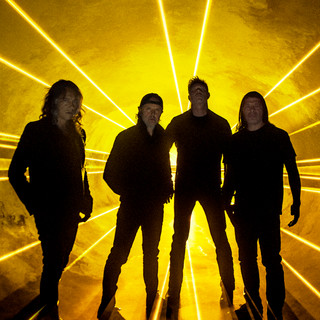
Metallica, a name synonymous with thrash metal, was formed in Los Angeles, California, in 1981. The band's founding members were James Hetfield (vocals, rhythm guitar) and Lars Ulrich (drums), soon joined by Dave Mustaine (lead guitar) and Ron McGovney (bass). However, the classic line-up was solidified with Kirk Hammett replacing Mustaine and Clifford Lee 'Cliff' Burton on bass. Hetfield, born on August 3, 1963, in Downey, California, and Ulrich, born on December 26, 1963, in Gentofte, Denmark, shared a love for heavy metal, influenced by pioneers like Black Sabbath and Led Zeppelin. Ulrich’s concert experiences, especially seeing bands like Iron Maiden, played a crucial role in Metallica's formative years. The early life of Metallica's members was steeped in music, as both Hetfield and Ulrich came from supportive backgrounds that fostered their audible interests. The band started by playing covers in local clubs before striking gold with unique compositions, laying the groundwork for what was to become a monumental music career.
Musical Career & Evolution
Metallica's career trajectory is a rich tapestry of innovation and relentless energy. After releasing their debut album 'Kill 'Em All' in 1983, which defined their thrash sound with rapid tempos and aggressive guitar riffs, Metallica quickly established a loyal following. The subsequent albums, 'Ride the Lightning' (1984) and 'Master of Puppets' (1986), further cemented their status, with the latter often celebrated as a groundbreaking thrash metal masterpiece. Tragically, 1986 also marked the loss of bassist Cliff Burton in a bus accident, a pivotal moment that the band overcame with resilience by bringing in Jason Newsted. With '...And Justice for All' (1988), they experimented with complex compositions and lyrical depth. The 1991 self-titled album, known as 'The Black Album', marked a stylistic shift towards a more mainstream heavy metal sound, propelling Metallica to global stardom. Over the decades, the band has continuously evolved, dabbling in various genres, including alternative and hard rock, shown in albums like 'Load' (1996) and 'Reload' (1997), before returning to a purer thrash approach with 'Death Magnetic' (2008).
Discography & Albums
Metallica's discography is extensive and revered, comprising ten studio albums, four live albums, and numerous compilations and EPs. Their debut, 'Kill 'Em All' (1983), is a thrash metal milestone, followed by 'Ride the Lightning' (1984) and 'Master of Puppets' (1986), each expanding their sound and thematic storytelling. '...And Justice for All' (1988) showcases progressive tendencies with intricate song structures. The commercially successful 'Metallica' (1991), often referred to as 'The Black Album', features iconic tracks like 'Enter Sandman' and 'Nothing Else Matters'. 'Load' (1996) and 'Reload' (1997) reveal Metallica's exploration of alternative and hard rock elements. Returning to their thrash roots, 'Death Magnetic' (2008) revitalized their aggressive style. The latest, 'Hardwired... to Self-Destruct' (2016), continues their legacy with critical and commercial acclaim.
Metallica's influence on the music scene is evident through their chart-topping hits and enduring popularity. Iconic tracks like 'Enter Sandman' from 'The Black Album' (1991) achieved massive chart success, solidifying Metallica as a household name. The single reached No. 16 on the Billboard Hot 100 and remains a staple in rock playlists worldwide. 'One', from '...And Justice for All' (1988), not only gained critical acclaim but also won the band their first Grammy Award. Other notable songs, such as 'Master of Puppets' (1986) and 'The Day That Never Comes' (2008), further exemplify their diversity and ability to capture listeners’ imaginations. Metallica’s relentless touring and powerful live performances are bolstered by these chart successes, with tracks consistently appearing on year-end lists across multiple countries. Their music videos, particularly 'Enter Sandman' and 'Nothing Else Matters', garner millions of views on YouTube, showcasing their cross-generational appeal.
Collaborations & Featured Works
While Metallica is primarily known for their independent work, they have engaged in notable collaborations that reflect their broad musical influence. In 1999, they teamed up with the San Francisco Symphony Orchestra for the 'S&M' album, merging symphonic elements with their heavy metal sound, which received critical and fan acclaim for its innovative approach. Collaborating with artists like Marianne Faithfull on the song 'The Memory Remains' from 'Reload' (1997) highlights their interest in diverse musical influences. Additionally, the band participated in the 2011 album 'Lulu', a collaboration with legendary artist Lou Reed, blending Reed's avant-garde style with Metallica's aggressive tones, proving the band’s willingness to transcend traditional metal boundaries.
Streaming Stats & Popularity
Metallica's enduring popularity is evident in their impressive streaming statistics across multiple platforms. As of the latest reports, they boast nearly 16 million monthly listeners on Spotify, with tracks like 'Enter Sandman' exceeding 500 million streams. Their YouTube channel has over 10 million subscribers, with flagship videos like 'Nothing Else Matters' amassing more than a billion views. On Apple Music, albums such as 'Metallica' and 'Master of Puppets' continue to top charts, showcasing their persistent relevance in today's digital landscape. The band's ability to attract new generations of fans is aided by their robust online presence, ensuring their classic tracks and newer material maintain their foothold within the ever-evolving music industry.
Awards, Nominations & Recognition
Metallica's illustrious career has been marked by numerous awards and accolades, underscoring their position as metal music royalty. The band has won nine Grammy Awards, including Best Metal Performance for tracks like 'One' and 'St. Anger'. They’ve achieved multiple MTV Video Music Awards and American Music Awards, solidifying their crossover appeal. The RIAA has certified several Metallica albums Platinum, with 'The Black Album' being certified 16x Platinum in the United States alone. Their induction into the Rock and Roll Hall of Fame in 2009 was a testament to their significant influence and enduring success. Critical acclaim is echoed in numerous 'Greatest Albums/Artists of All Time' lists by Rolling Stone and other prestigious publications.
Musical Style & Influences
Metallica's musical style is a dynamic fusion of speed, precision, and power, defining the thrash metal genre. Their early sound, characterized by aggressive tempos and complex guitar solos, drew inspiration from heavyweights like Motorhead and New Wave of British Heavy Metal bands. The intricate compositions seen in tracks such as 'Master of Puppets' and 'Ride the Lightning' reflect the band's technical prowess and commitment to thematic depth. Lyrically, Metallica explores diverse themes, from social issues to personal struggles, often in a reflective storytelling manner. The evolution in their sound, evident in the transformation from the raw energy of their early albums to the polished production of 'The Black Album', reveals their willingness to blend heaviness with melody. Influences from classical music, seen in collaborations like 'S&M', and elements from other rock genres, have resulted in a unique sound recognized and revered worldwide. This blend makes Metallica not just a heavyweight in metal but an architect in the broader rock landscape.
FAQs
What are the real names of the members of Metallica, and where are they from?
Metallica is a band, not a solo artist, and is comprised of several key members. The founding members include James Hetfield (vocals, guitar) and Lars Ulrich (drums). Hetfield is from Downey, California, while Ulrich hails from Gentofte, Denmark. The current lineup also includes Kirk Hammett from San Francisco, California, on lead guitar, and Robert Trujillo from Santa Monica, California, on bass. Over the years, Metallica has seen various lineup changes, with each member bringing unique elements from their diverse backgrounds.
How did Metallica begin their music career?
Metallica was formed in 1981 in Los Angeles, California. The band's creation was spurred by an ad placed by drummer Lars Ulrich in a local newspaper seeking musicians to jam with. James Hetfield responded, leading to the band’s formation. The group’s early days were marked by their powerful live performances and raw, aggressive sound, culminating in their debut album 'Kill 'Em All' in 1983. The album, filled with fast tempos and aggressive musicianship, helped establish Metallica as pioneers in the thrash metal genre, quickly catapulting them into the spotlight.
What are Metallica's most popular songs?
Metallica has an extensive library of iconic tracks that have gained worldwide acclaim. Among their most popular songs are 'Enter Sandman,' known for its haunting riff and massive appeal, and 'Nothing Else Matters,' a ballad showcasing their melodic side. ‘Master of Puppets,’ often revered as a thrash metal masterpiece, and ‘One,’ a haunting narrative of war and loss, are also fan favorites. These tracks, along with 'Fade to Black' and 'The Unforgiven,' have had a significant impact on rock and metal music, earning millions of streams and countless accolades.
What albums has Metallica released over the years?
Metallica's discography is both extensive and influential. Their journey began with 'Kill 'Em All' in 1983. It was followed by pivotal albums like 'Ride the Lightning' (1984) and 'Master of Puppets' (1986). The band's eponymous album, often referred to as 'The Black Album' (1991), became one of the best-selling albums worldwide. Subsequent releases include 'Load' (1996), 'Reload' (1997), and more experimental albums like 'St. Anger' (2003). Recent works include 'Death Magnetic' (2008) and 'Hardwired... to Self-Destruct' (2016), each contributing to their legacy.
Has Metallica won any awards throughout their career?
Yes, Metallica has received numerous accolades that highlight their impact on the music industry. The band has won nine Grammy Awards, including Best Metal Performance and Best Hard Rock Performance. They were inducted into the Rock and Roll Hall of Fame in 2009, a testament to their influence and longevity. Additional honors include multiple American Music Awards and MTV Video Music Awards. Metallica's groundbreaking work has seen them sell over 125 million albums worldwide, solidifying their status as one of the most successful and enduring bands in heavy metal history.
What is Metallica's musical style and genre?
Metallica is predominantly known for their contribution to the thrash metal genre, which features fast tempos, aggressive musicianship, and complex guitar solos. Early albums like 'Kill 'Em All' and 'Ride the Lightning' typify this style. However, Metallica's music also integrates elements from various genres, such as hard rock, heavy metal, and even blues rock, particularly in later albums like 'Load' and 'Reload.' Their ability to evolve and infuse different musical styles has helped maintain their relevance across several decades, appealing to a broad range of listeners worldwide.
Who has Metallica collaborated with in their career?
Throughout their storied career, Metallica has collaborated with a diverse array of artists and musicians. One of their most notable collaborations was with the San Francisco Symphony, resulting in the live album 'S&M' in 1999. They worked with iconic producer Bob Rock on several albums, including 'The Black Album.' Metallica also teamed up with Lou Reed for the 2011 album 'Lulu,' blending Reed’s avant-garde style with their heavy metal sound. Additionally, they have performed with numerous bands and artists on tour, showcasing their versatility and broad influence in the music world.
How many monthly listeners does Metallica have on Spotify?
As of October 2023, Metallica commands a substantial presence on Spotify, boasting over 25 million monthly listeners. Their enduring popularity on streaming platforms underscores the lasting appeal of their music and their ability to attract both long-time fans and new listeners. Their extensive catalog, featuring beloved classics and deep cuts, ensures consistent streaming numbers. Albums such as 'The Black Album' remain incredibly popular, fueling their impressive listener count. Additionally, their participation in playlists and the release of remastered versions continue to draw audiences worldwide.
What makes Metallica's music unique and enduring?
Metallica's music is unique due to its powerful blend of aggressive thrash metal with intricate lyrics and memorable hooks. Their evolution over time has allowed them to incorporate diverse musical influences, broadening their appeal without losing their core identity. A combination of technical prowess, distinctive sound, and a keen ability to tell compelling stories set them apart. The band’s consistent output and willingness to innovate, alongside their dynamic live performances, have cemented their status as legends in the music industry. Their commitment to connecting with fans and pushing musical boundaries keeps them relevant.
What are some interesting facts about Metallica?
Metallica has a rich history full of intriguing facts. A notable event was their inclusion in the 'Big Four' of thrash metal alongside Slayer, Megadeth, and Anthrax. The band’s 1991 album, 'The Black Album,' remains one of the best-selling albums worldwide. Remarkably, they were the first band to play on all seven continents, performing a concert in Antarctica in 2013. Their philanthropic effort, the 'All Within My Hands Foundation,' showcases their commitment to giving back. Metallica's legacy is marked by innovation, resilience, and an unyielding devotion to their craft and fans.